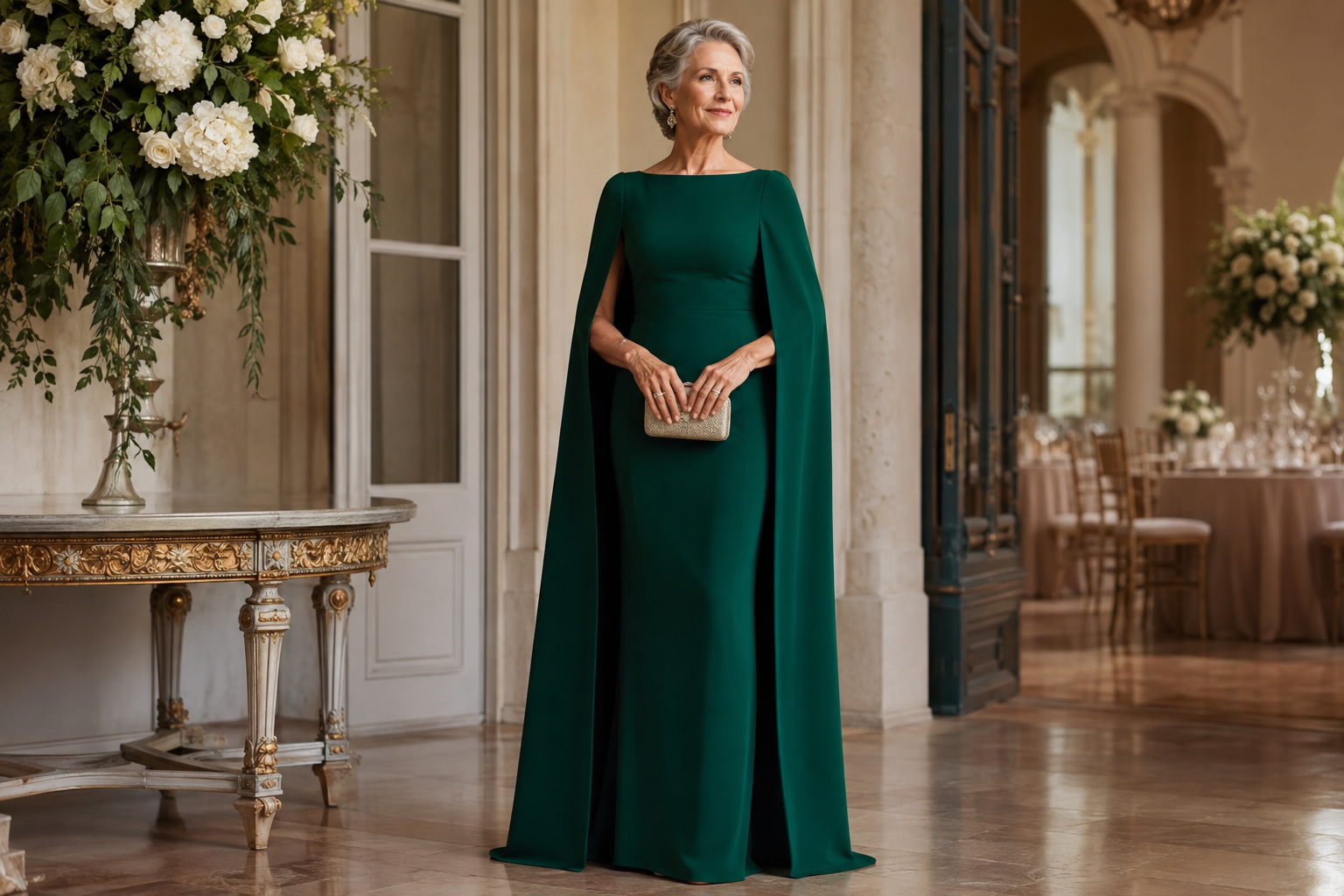
A mother-of-the-bride outfit should fit the celebration, work through the day and feel like something you chose for yourself. Begin with a clear brief, then compare color, fit, movement, total cost and timing. The same process can help mothers of the groom and other parents planning an occasion outfit.
Use the Mother of the Bride hub for shorter checklists as each decision becomes relevant, from comparing color swatches to rehearsing the outfit at a fitting.
Start with the wedding brief
Before booking appointments, collect the invitation’s dress code, ceremony and reception locations, time of day and any requests from the couple. Ask about the parts of the schedule that affect clothing: outdoor photographs, stairs, travel between venues or an extended period of standing.
Write down what you want too. You might prioritize a sleeve you can move in, a familiar neckline, trousers, a particular color or shoes you already enjoy wearing. Your preferences belong alongside the wedding details.
Keep the brief short enough to share with a stylist. “Evening ceremony, formal dress, outdoor family photos, a seated dinner, and I prefer a sleeve with easy movement” offers more useful information than a collection of unrelated pictures.
Coordinate color through a conversation
David’s Bridal’s mother-of-the-bride etiquette guide recommends discussing the couple’s preferences and coordinating with the wedding party and other mothers. Treat that conversation as a way to understand this wedding, not as a reason to surrender every personal preference.
Ask whether there is a requested color family, a shade to avoid or a fabric reference you can see. Clarify whether “coordinate” means a shared palette, the same degree of formality or something more specific. Different families may mean different things.
If a color is uncertain, compare the actual available swatch and record the exact manufacturer color name. A phone screenshot is useful for communication but should not become a promise of an exact match. Our color-swatch guide helps you keep the reference and order details together.
Choose formality before narrowing the silhouette
Use the dress code to establish the range, then try different shapes within it. A gown, dressy separates or a pantsuit can lead to different fitting questions; none needs to be chosen simply because it is marketed for a particular age or body type.
For black tie or an ambiguous “formal” request, use the wedding dress-code guide and ask the hosts about any uncertain option. Venue alone does not settle formality.
Describe what you like in concrete terms. “I prefer the waistline on this dress” and “I want room to raise my arms” are more helpful than deciding you belong to a body-shape category that permits only one silhouette.
Compare the fabric as part of the finished outfit
Look at the gown or separates in the available light, then move in them. Consider the lining, closures, sleeves, embellishment and any included layer. Ask which components are supplied together and which are separate purchases.
Pay attention to the places where pieces meet: a shawl against earrings, a bag strap against decoration, a sleeve near a bracelet. Try the combinations you intend to use instead of assuming each individually attractive piece will work with the others.
A fabric label is not a complete statement about comfort, stretch, warmth or care. Ask about the specific garment and follow its instructions. If an alteration is suggested, have the provider explain what would change.
Need a light layer with a sleeveless dress? Try a wrap you already own with the full outfit first. If you still need one, see The Belle Edit’s FURTALK wrap notes for light-coverage and care considerations. That section contains a paid Amazon link. Plan a warmer outer layer separately if you will be outdoors in cold weather.
Make the fitting a rehearsal for your day
Bring the shoes and underlayers you plan to wear, or discuss what is still undecided before measurements and hem decisions are finalized. Tell the fitter about the movement that matters to you.
- Sit in a way that resembles a ceremony or dinner chair.
- Walk, turn and take a comfortable step.
- Raise and reach with your arms as needed.
- Try the outer layer and carry the bag.
- Practice closures and discuss any dressing assistance you want.
These are prompts for discussion, not a test you must pass. Stop if a movement is uncomfortable. Ask the fitter to assess the issue and explain realistic options. The movement checklist gives you a record for the appointment.
Build a timeline from confirmed dates
Start with the wedding date and work backward with the retailer and alterations provider. Ask when the exact item can arrive, when the work can begin, how many appointments are anticipated and when collection should happen. Leave room for unresolved questions rather than relying on a universal countdown.
David’s Bridal’s appointment guide is one retailer’s account of the shopping process. Your useful deadline is the one confirmed for your actual order and fitting provider.
If the wedding is close, be direct about the date. Compare options that are available and workable within it. Do not assume a made-to-order item, special modification or complex fitting can be rushed until the people doing the work confirm it.
Compare complete costs, not just dress prices
| Decision | What belongs in the total |
|---|---|
| Main outfit | Price, shipping and applicable tax |
| Fitting work | Specific alterations, appointments and any separate pressing or rush service |
| Finishing pieces | Shoes, underlayers, jewelry, bag and outer layer you actually need |
| Preparation and travel | Any chosen care, packing or transport costs |
Use the same list for both finalists. Mark unknown amounts as questions. Keep the item-specific return terms, alteration estimate and promised dates beside the total. A deposit is part of the price, not an additional discount.
Before approving work, read the estimate line by line and check who to contact if the plan changes. Do not infer a service promise from a general price range found online.
Choose between the finalists
Write one sentence about each outfit’s strongest quality, then list its unresolved details. Compare the things you will live with: movement, shoes, closures, layers, cost and timing. Ask whether the choice still feels right when you imagine the whole day rather than the fitting-room photograph.
You can bring one or two trusted opinions without opening the decision to everyone. If you are sharing photographs, explain what you want feedback on. “Which sleeve looks more like me?” is a different question from “Can this be altered?” The second belongs with the fitter.
Our two-dress comparison can help you close the decision.
Finish with a collection and dressing plan
At collection, check the agreed work and included components. Try the complete outfit where appropriate, confirm care and transport instructions, and make sure you know how to manage the closures and layer.
Decide where the outfit, shoes and accessories will be kept, who will bring them and what help you want while dressing. Keep borrowed pieces identified with a return plan.
The result does not need to look like anyone else’s idea of a mother-of-the-bride outfit. It needs to fit the wedding brief, feel considered and let you participate in the day. Return to the Mother of the Bride guides whenever the next practical question arises.